
Introduction
Enterprise software delivery requires a balance between speed, stability, and security. Organizations worldwide frequently invest heavily in modern tooling, moving platforms to cloud-native infrastructures and adopting decentralized architectures. However, technical friction, cultural resistance, and systemic talent gaps often stall these modernization efforts. Implementing advanced engineering frameworks requires more than acquiring software licenses; it demands deep structural changes in how teams build, deploy, and manage production systems.
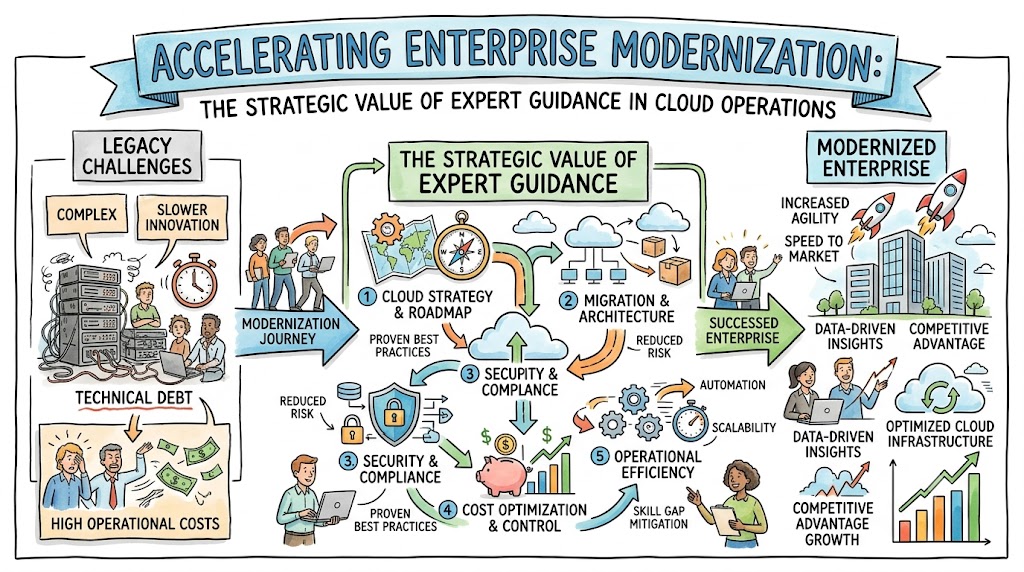
As organizations navigate complex migrations, the demand for experienced mentors and advisory partners has grown significantly. A specialized DevOps Consultant provides the architectural blueprint and operational roadmap necessary to align development and operations teams. Simultaneously, a dedicated DevOps Trainer ensures that internal staff develop the precise practical skills required to manage these systems safely. For comprehensive resources, architectural case studies, and training roadmaps, organizations and engineering professionals can review the insights available at https://www.rajeshkumar.xyz/, where Rajesh Kumar provides structured educational frameworks and operational guidance for modern enterprise teams. Experienced mentorship bridges the gap between theoretical cloud concepts and the strict realities of large-scale production environments.
Why Organizations Need Experienced DevOps Trainers
Many enterprise transformation projects face challenges because teams treat cultural and operational shifts purely as tooling challenges. Introducing a new automation tool without upskilling the workforce creates fragmented workflows, unmaintained pipelines, and configuration drift. Siloed knowledge remains a critical risk, where only a few individuals understand the deployment mechanics, leaving the rest of the engineering organization dependent on manual intervention.
A professional DevOps Trainer addresses these structural bottlenecks by formalizing internal enablement. Rather than leaving engineers to rely on fragmented online tutorials, structured training establishes baseline engineering standards across the enterprise. This approach accelerates skill development, shortens software delivery lifecycles, and reduces the operational errors that commonly occur when teams adopt unfamiliar technologies.
Enterprise environments introduce migration challenges that standard training courses rarely cover. Legacy applications require gradual modernization, hybrid cloud architectures demand complex networking configurations, and strict compliance standards restrict public cloud access. An experienced instructor understands these constraints and designs learning paths that respect enterprise realities, preparing engineers to handle real-world operational challenges.
What Makes a Good DevOps Trainer
An effective technical instructor must possess extensive real-world experience. Teaching a cloud-native workflow requires a deep understanding of production systems, system failures, and architectural trade-offs. A trainer who has spent years managing live systems brings valuable context to the classroom, transforming abstract documentation into practical operational knowledge.
Customized workshop design is another foundational characteristic of high-quality technical education. Standard, off-the-shelf courses rarely align with an organization’s specific technical stack, branching strategies, or security policies. A skilled educator analyzes an enterprise’s existing workflows and constructs bespoke lab environments that mirror actual corporate infrastructure, maximizing the relevance of every session.
Beyond explaining command-line syntax, a premier mentor provides strategic architecture guidance. They help teams understand the underlying design principles of distributed systems, such as decoupling components, planning for ephemeral infrastructure, and implementing defense-in-depth security. This comprehensive understanding ensures that engineering teams do not merely replicate commands, but build the capacity to design and maintain resilient platforms independently.
Key Areas Covered by Modern DevOps Corporate Training
Comprehensive modern enterprise training frameworks cover the entire software delivery lifecycle, focusing on automation, infrastructure management, and continuous optimization.
CI/CD Pipeline Training
Continuous Integration and Continuous Deployment form the backbone of modern delivery. Training focuses on building automated pipelines that validate code quality, execute comprehensive test suites, and orchestrate zero-downtime deployments across multi-stage environments.
GitOps Training
GitOps establishes Git as the single source of truth for infrastructure and application states. Teams learn to manage system declarations declaratively, utilizing automated reconciliation loops to eliminate manual configuration drift across environments.
Docker Kubernetes Training
Containerization and orchestration are core requirements for modern microservices architectures. This training segment ensures that engineers can package applications efficiently, manage local container environments, and operate containerized workloads at scale.
Terraform Training
Infrastructure as Code allows teams to provision and manage cloud environments safely and predictably. Training covers state management, modular development, and automated testing of infrastructure declarations across multi-cloud provider environments.
Jenkins Training
As a widely adopted automation platform, mastering Jenkins requires learning to build declarative pipelines, manage distributed build agents, implement robust shared libraries, and secure credentials across enterprise systems.
AWS DevOps Practices
Operating efficiently on Amazon Web Services requires a deep understanding of cloud-native automation tools, identity and access management, managed container services, and automated resource scaling.
Infrastructure as Code (IaC)
Adopting IaC requires a shift from manual configuration to software engineering principles. Teams learn version control for infrastructure, automated validation, and peer-review practices tailored for operations code.
Observability
Modern distributed applications require comprehensive visibility. Training covers the collection and analysis of metrics, logs, and distributed traces to ensure teams can proactively detect and resolve performance anomalies.
Security Integration
Integrating security into the delivery lifecycle ensures that vulnerability scanning, compliance checks, and configuration audits are performed automatically during the build and deployment phases.
Platform Engineering
Building internal developer ecosystems allows engineering teams to access infrastructure and deployment workflows through self-service models, significantly reducing operational friction.
Kubernetes Training for Enterprise Teams
Container orchestration platforms simplify application deployment but introduce considerable operational complexity. Comprehensive corporate initiatives must move beyond introductory container management to prepare teams for the realities of running workloads in live production environments.
+-------------------------------------------------------------+
|                Enterprise Kubernetes Cluster                |
|                                                             |
|   +------------------+           +----------------------+   |
|   |  Security & IAM  | <--IaC--> | Deployment Pipelines |   |
|   +------------------+           +----------------------+   |
|            |                                |               |
|            v                                v               |
|   +-----------------------------------------------------+   |
|   |  Core Architecture (Control Plane & Worker Nodes)   |   |
|   +-----------------------------------------------------+   |
|            |                                |               |
|            v                                v               |
|   +------------------+           +----------------------+   |
|   | Production Scale | <-------- |   Troubleshooting    |   |
|   +------------------+           +----------------------+   |
+-------------------------------------------------------------+
Training begins with container fundamentals and core Kubernetes architecture, ensuring engineers thoroughly understand control plane operations, worker node interactions, Kubelet behavior, and internal cluster networking model realities.
For production readiness, teams focus on high availability, cluster sizing, network policies, storage abstractions, and external ingress configurations. Learning to manage persistent state and cross-cluster communications prepares engineers for complex corporate enterprise architectures.
Security remains a primary challenge in enterprise cluster adoption. Instruction covers Role-Based Access Control, network isolation, admission controllers, pod security standards, and secure secrets management within the cluster lifecycle.
Scaling and troubleshooting form the operational core of cluster maintenance. Teams learn to configure horizontal and vertical auto-scalers, interpret deep system metrics, debug failing pods, analyze container logs, and resolve complex routing issues under simulated production pressure.
Site Reliability Engineering Training
Site Reliability Engineering applies software engineering methodologies directly to operational problems. Transitioning to an SRE model requires teams to adopt a disciplined, metrics-driven approach to system resilience and availability.
- Service Level Indicators (SLIs): Selecting and defining the precise quantifiable metrics that accurately reflect the real-time health and performance of an enterprise service.
- Service Level Objectives (SLOs): Establishing realistic, data-backed performance targets that align technical metrics directly with acceptable user experiences.
- Error Budgets: Creating operational frameworks that use reliability data to balance deployment velocity against system stability requirements.
- Incident Management: Structuring systematic responses to production anomalies, focusing on rapid mitigation, clear communication, and blameless post-mortem analysis.
- Reliability Engineering: Designing fault-tolerant software architectures that incorporate graceful degradation, circuit breakers, retries, and rate limiting.
- Automation: Eliminating operational toil by replacing repetitive manual tasks with scalable, well-engineered software automation solutions.
- Monitoring: Constructing comprehensive alerting systems that detect real production issues while minimizing alert fatigue for engineering teams.
- Capacity Planning: Analyzing system growth trends and resource utilization patterns to ensure platform infrastructure scales efficiently ahead of demand.
DevSecOps Training Benefits
Integrating security into the early stages of software development reduces vulnerabilities without sacrificing deployment velocity. Dedicated training provides teams with the methodologies required to automate security across the lifecycle.
Shifting security left ensures that automated vulnerability detection begins at the local workstation and the initial commit stage. Engineers learn to integrate static application security testing and software composition analysis directly into automated deployment pipelines.
Compliance automation transforms manual auditing procedures into continuous code-based validations. Teams learn to write automated infrastructure policies that verify compliance with enterprise governance standards before resources are deployed to cloud environments.
Container and supply chain security focus on verifying the integrity of every component entering the platform. This involves securing base container images, signing code artifacts, analyzing software bills of materials, and managing application secrets using centralized vaults.
Platform Engineering Training
Platform Engineering focuses on optimizing the developer experience by providing self-service capabilities within a secure, governed ecosystem. Training guides teams in shifting from fragmented infrastructure management to building internal developer platforms.
+-------------------------------------------------------+
|              Internal Developer Platform              |
+-------------------------------------------------------+
|  Golden Paths (Standardized Templates & Workflows)    |
+-------------------------------------------------------+
|  Self-Service Infrastructure & Automated Governance   |
+-------------------------------------------------------+
|              Cloud & Physical Resources               |
+-------------------------------------------------------+
|                 Engineering Teams                     |
+-------------------------------------------------------+
Instruction centers on designing golden paths—standardized, pre-architected templates that allow software developers to independently provision environments, database connections, and deployment pipelines safely.
Teams learn to build self-service capabilities that abstract underlying cloud infrastructure complexities without removing necessary operational visibility. This focus improves code-to-production speeds while maintaining strict enterprise infrastructure standards.
Consulting Services That Accelerate DevOps Adoption
While structured training equips internal teams with essential skills, specialized consulting services provide the strategic direction required to implement complex organizational transformations successfully.
Comprehensive maturity assessments analyze an enterprise’s existing deployment pipelines, architectural designs, team structures, and operational bottlenecks. This analysis provides a baseline for building a structured modernization roadmap.
Strategic roadmaps establish a step-by-step evolution for adopting cloud-native tools, detailing clear technical milestones and organizational changes. This structured approach prevents common pitfalls, such as adopting tools before the underlying team workflows are prepared to support them.
Architectural reviews analyze existing application designs to ensure they align with cloud-native best practices. Consultants work closely with engineering leads to evaluate system decoupling strategies, automated scaling mechanisms, high-availability configurations, and multi-region disaster recovery plans.
Migration strategies provide detailed execution patterns for moving legacy applications to modern cloud environments. Advisors help organizations minimize downtime, plan data migration paths, and maintain operational stability during complex system cutovers.
Continuous technical coaching bridges the gap between training workshops and daily operational execution. By working alongside internal engineering teams, advisors help resolve complex implementation blockers, refine pipeline scripts, and reinforce modern engineering practices during real production scenarios.
Training Programs Best Suited for Different Roles
| Role | Recommended Training | Key Focus Areas |
| Developer | CI/CD, Containers, GitOps | Automated testing, local container builds, artifact management |
| Cloud Engineer | Terraform, Cloud Providers, IaC | Multi-account architecture, resource provisioning, security policies |
| SRE | Observability, SLOs, Incident Response | Telemetry collection, error budget management, system resilience |
| Security Engineer | DevSecOps, Compliance as Code | Vulnerability scanning, secrets management, automated policy enforcement |
| Platform Engineer | IDP Architecture, API Design | Golden path creation, developer tooling, infrastructure abstraction |
| Engineering Manager | Agile Metrics, DORA Metrics | Delivery velocity tracking, team topologies, value stream mapping |
| CTO | Strategic Cloud Transformation | ROI analysis, modernization roadmaps, organizational alignment |
Why Enterprises Prefer Experienced Consultants
Engaging an experienced consultant allows enterprises to significantly reduce the risks associated with infrastructure modernization. Attempting to build complex cloud-native architectures without expert guidance often leads to misconfigured security settings, unstable deployment pipelines, and costly resource over-provisioning. Experienced advisors help organizations avoid these expensive mistakes by applying proven, production-tested blueprints from the start.
Accelerated adoption velocity is another major advantage of specialized advisory engagements. An expert consultant quickly identifies process bottlenecks and implements optimized automation workflows that would take internal teams months to develop independently. This efficiency translates directly into faster time-to-market for software products and a quicker return on infrastructure investments.
Long-term capability building ensures that an enterprise does not remain dependent on external support. Professional advisors focus heavily on knowledge transfer, documenting architectural designs, and mentoring internal engineering leads. This structured approach ensures that when the consulting engagement concludes, the internal workforce possesses the skills, confidence, and operational understanding required to run, maintain, and evolve the platform independently.
Special Section for Guest Post Audience
Why These Skills Matter for Engineering Professionals and Leaders
For technical professionals and modern organizations, adopting structured cloud-native practices is critical for maintaining a competitive edge. As delivery lifecycles shorten, engineering teams must evolve from manual operations specialists into platform architects and reliability engineers. Understanding how these disciplines interconnect allows organizations to build more stable, scalable systems.
For individual contributors, mastering container orchestration, infrastructure as code, and continuous delivery pipelines creates clear pathways to senior architectural and operational roles. For engineering leaders and enterprise stakeholders, investing in these competencies establishes the foundations for sustainable technical agility, directly reducing operational overhead while increasing overall software release quality and deployment predictability.
Frequently Asked Questions
1. What does a DevOps Trainer do?
A trainer assesses an engineering team’s current skills, designs custom educational curricula, and conducts hands-on workshops. They guide teams through practical labs involving continuous integration, automation, and infrastructure management to ensure engineers can apply modern operational methodologies safely in production.
2. How is DevOps Corporate Training different from self-learning?
Self-learning relies on standardized, generic online materials that lack context regarding specific corporate systems. Corporate training provides structured learning paths customized to an organization’s actual technology stack, architectural challenges, security constraints, and compliance requirements, while offering direct interaction with an expert.
3. Why should companies hire a Kubernetes Trainer?
Kubernetes features a steep learning curve with complex networking, security, and storage abstractions. An expert instructor ensures that teams avoid common misconfigurations in production environments, teaching engineers how to properly architect, secure, troubleshoot, and scale containerized applications efficiently.
4. What skills are covered in Site Reliability Engineering Training?
This instruction focuses on defining Service Level Indicators (SLIs) and Service Level Objectives (SLOs), managing error budgets, automating repetitive operational toil, structuring incident response workflows, implementing comprehensive observability, and designing resilient, self-healing software architectures.
5. How long does Terraform Training usually take?
Comprehensive corporate training typically spans three to five days of intensive, hands-on instruction. This timeframe allows engineers to progress from basic syntax and resource declaration to advanced enterprise topics like state management, modular design, and pipeline integration.
6. Is GitOps useful for enterprise teams?
Yes, GitOps is highly beneficial for enterprise operations. By using Git repositories as the sole source of truth for infrastructure definitions, organizations gain clear audit trails, automated drift correction, simplified disaster recovery capabilities, and improved deployment security across all environments.
7. What industries benefit from DevSecOps?
Every sector that handles digital data benefits from DevSecOps, particularly highly regulated fields such as banking, financial services, healthcare, e-commerce, and government operations. It ensures compliance and security checks are executed automatically within deployment workflows.
8. What is Platform Engineering?
Platform Engineering is the discipline of designing and building internal developer platforms (IDPs) that provide automated, self-service capabilities. It establishes standardized operational templates and golden paths, reducing friction for developers while maintaining corporate architectural governance.
9. What makes a good DevOps Consultant?
An effective consultant possesses extensive real-world experience managing complex production systems. They must combine deep technical expertise in automation and architecture with strong strategic advisory skills, allowing them to assess organizational bottlenecks and design practical transformation roadmaps.
10. How do organizations measure DevOps success?
Success is commonly tracked using DORA metrics, which include deployment frequency, lead time for changes, mean time to recovery (MTTR), and change failure rate. Organizations also monitor operational stability, infrastructure cost efficiency, and team delivery velocity.
11. Why is CI/CD Pipeline Training important?
Automated pipelines eliminate error-prone manual deployment steps, ensuring that code changes are consistently validated, tested, and deployed. Training ensures that engineering teams can build reliable, secure pipelines that accelerate software delivery while maintaining system stability.
12. How can enterprises upskill engineering teams effectively?
Enterprises achieve the best results by combining structured, hands-on workshops with practical lab assignments modeled after their actual infrastructure. This training should be supported by ongoing technical consulting and clear leadership alignment regarding new operational standards.
Final Thoughts
Successfully modernizing enterprise software delivery requires a balanced investment in both advanced technology platforms and comprehensive talent development. Implementing automated tooling without providing adequate training for engineering teams frequently results in fragile pipelines, configuration issues, and operational bottlenecks. True organizational agility is achieved when engineers thoroughly understand the foundational design principles behind the tools they manage daily.
Engaging experienced trainers and consultants provides organizations with the production-tested methodologies and strategic blueprints required to navigate complex migrations safely. Structured mentorship shortens learning curves, prevents expensive architectural mistakes, and instills a culture of continuous improvement across engineering teams. By prioritizing structured skill development and expert architectural guidance, enterprises build the internal engineering capabilities required to sustain long-term operational excellence and software reliability.