
Introduction
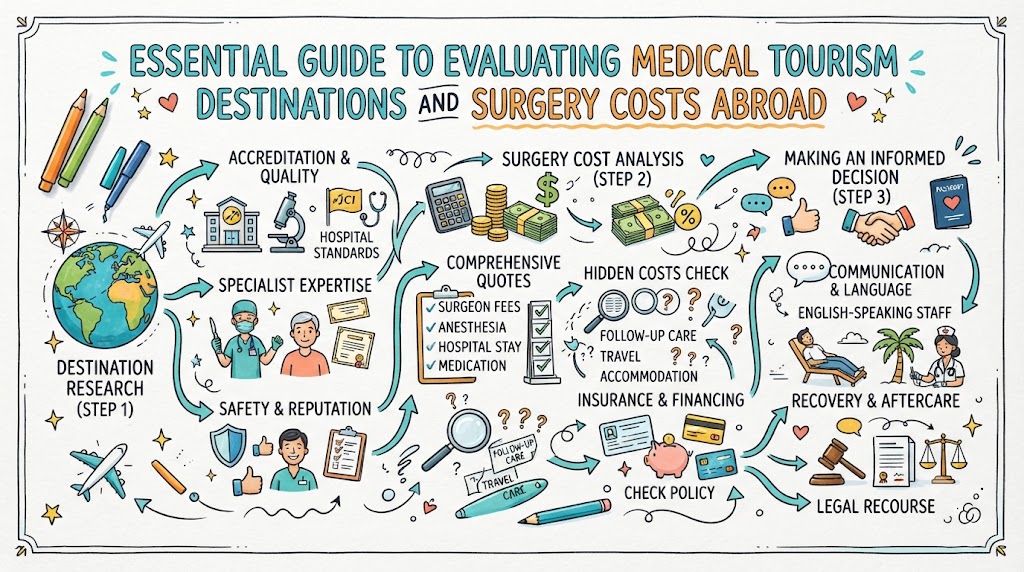
As global healthcare costs continue to climb, patients are increasingly exploring options beyond their home borders. Whether you are facing a long waitlist for a procedure or struggling with the high out-of-pocket expenses of local healthcare, medical tourism offers a viable pathway to high-quality care. However, the process of comparing surgery costs, vetting international facilities, and ensuring safety can be overwhelming.
That is where SurgeryPlanet comes in. We act as a bridge between patients and world-class healthcare providers, simplifying the complex landscape of international medical travel. Imagine a patient needing knee replacement surgery; instead of settling for the first option they find, they can use tools like a surgery cost guide to compare pricing, surgeon expertise, and hospital quality across borders. This guide will walk you through the essential steps of planning your medical journey, ensuring you prioritize safety, transparency, and informed decision-making every step of the way.
What Is SurgeryPlanet?
SurgeryPlanet is a comprehensive digital platform designed to help patients navigate the complexities of global medical tourism. We provide transparent access to surgery cost comparisons, JCI-accredited hospital listings, and expert guidance on treatment packages, empowering patients to make safe, data-driven decisions for their surgical procedures abroad.
Understanding Medical Tourism
What Is Medical Tourism?
Medical tourism is the practice of traveling to a different country to receive medical, dental, or surgical care. This trend has shifted from elective procedures to complex surgeries like cardiac bypass and orthopedic replacements.
Why Patients Travel Abroad for Surgery
- Cost Savings: Significant reductions in medical expenses without compromising quality.
- Reduced Wait Times: Accessing urgent surgeries that may have long local queues.
- Specialized Expertise: Access to surgeons who are world leaders in specific procedures.
- Technological Advancements: Utilizing state-of-the-art facilities in emerging medical hubs.
Benefits and Risks
| Local Treatment | Medical Tourism |
| Familiar environment, follow-up ease | Often significant cost savings |
| High, but often variable, wait times | Possible access to cutting-edge technology |
| Standardized insurance processing | Requires thorough travel/logistics planning |
| Limited by local provider availability | Risk of complications during travel |
Understanding Surgery Costs Around the World
Why Surgery Costs Vary by Country
Costs are influenced by labor, insurance premiums, infrastructure investment, and government subsidies. Nations with lower operational overheads often pass those savings to the patient.
Components of Treatment Costs
Surgery costs usually include surgeon fees, hospital room charges, anesthesia, operating theater costs, and nursing care.
| Cost Component | Included or Additional |
| Surgeon Fees | Typically Included |
| Anesthesia | Typically Included |
| Medication (Post-Op) | Variable |
| Travel/Airfare | Additional |
| Recovery Stays | Often Add-on |
Knee Replacement Surgery Cost in India
India has become a global leader in orthopedics. Patients choose India because of highly skilled surgeons trained in Western techniques and a strong emphasis on post-operative rehabilitation.
Real-World Example: A patient, John, needed a knee replacement but faced a two-year waiting list at home. By researching in India, he found a package that included his surgery, physical therapy, and airport transfer, all for a fraction of his domestic copay.
- Key Takeaways:
- India offers high-quality orthopedic outcomes at competitive rates.
- Verify the surgeon’s experience with specific implant types.
- Factor in the time required for initial rehabilitation.
Heart Bypass Surgery Cost in Turkey
Turkey’s healthcare sector has seen massive investment, particularly in cardiology. The country is known for its modern, high-tech hospitals that adhere to rigorous international standards.
Real-World Example: A cardiac patient from Europe sought CABG surgery in Istanbul. They saved 60% compared to local prices while staying in a hospital that matched the technology of their home clinic.
- Key Takeaways:
- Turkey offers specialized cardiac centers with rapid consultation times.
- Check for JCI accreditation in the specific cardiology wing.
- Plan for at least 3-4 weeks of recovery before flying home.
Dental Implants Abroad Cost Comparison
Dental tourism is driven by the high cost of implants in many Western nations. Patients often travel to Eastern Europe, Southeast Asia, or Latin America to save significantly on multi-stage procedures.
| Country | Relative Cost | Key Advantages |
| Hungary | Moderate | High expertise in European standards |
| Thailand | Low | Excellent dental tourism infrastructure |
| Mexico | Low | Close proximity for North Americans |
Best Country for IVF Treatment Abroad
When choosing an IVF destination, patients must balance success rates with legal regulations.
Key Factors to Evaluate:
- Success Rates: Review independent data from clinics.
- Legal Regulations: Ensure the country’s laws align with your specific fertility requirements.
- Specialist Expertise: Focus on clinics with dedicated IVF laboratory technology.
Importance of JCI Accredited Hospitals
JCI (Joint Commission International) accreditation is the gold standard in healthcare safety.
- Why it matters: It ensures the hospital meets international patient safety, infection control, and quality improvement standards.
- Checklist for Patients:
- Does the hospital have a valid JCI certificate?
- Is the accreditation specific to the department you need?
- When was the last onsite survey conducted?
Understanding Medical Tourism Packages
Packages often bundle services to simplify planning. Typical inclusions are hospital stay, surgery costs, and sometimes local recovery accommodation. Always ask for an itemized breakdown to see what is excluded, such as airfare or companion lodging.
How SurgeryPlanet Helps Patients
SurgeryPlanet streamlines your search by:
- Hospital Discovery: Identifying top-tier facilities.
- Cost Comparison: Providing clearer insights into market rates.
- Package Evaluation: Helping you interpret what is actually covered.
- Travel Support: Guidance on recovery and logistics.
Comparing Popular Surgery Destinations
| Country | Strengths | Common Procedures |
| India | Complex surgery, Cost | Orthopedics, Cardiac |
| Turkey | Advanced technology | Cardiac, Dental, Aesthetics |
| Thailand | Patient care, Tourism | Dental, Bariatric |
| UAE | Luxury care, Speed | Multi-specialty |
| Singapore | High-end clinical outcomes | Oncology, Specialized Surgery |
Surgery Planning Checklist
- Before Selection: Consult your primary care physician at home.
- Before Choosing Hospital: Request the surgeon’s CV and patient outcomes.
- Before Travel: Arrange for post-operative nursing if necessary.
- After Returning: Provide your local doctor with all surgical notes and imaging.
Frequently Asked Questions
1. How do I verify the credentials of a surgeon at an international hospital?
You should request the surgeon’s curriculum vitae (CV) specifically looking for their board certification, years of experience in your exact procedure, and any fellowships completed at internationally recognized institutions. Many top-tier hospitals are also willing to facilitate a virtual consultation where you can discuss their track record and specific case outcomes directly.
2. What should I include in my medical records when requesting a quote?
To receive an accurate and reliable estimate, include your recent diagnostic imaging (such as MRIs or CT scans), a detailed summary of your medical history, any current medications you are taking, and a formal referral or diagnosis letter from your local physician. The more context you provide, the better the medical team can assess your suitability for the procedure.
3. Why is it risky to choose a surgery package based solely on the lowest price?
Extremely low prices are often a “red flag” that the provider may be cutting corners on critical quality factors, such as sterilization protocols, high-quality medical implants, or adequate post-operative medication. Always compare what is included in the package; if a quote is significantly lower than others, ask for a detailed breakdown to ensure no essential safety measures have been removed to lower the cost.
4. How long should I plan to stay in the destination country after my surgery?
Recovery time varies significantly by procedure. For orthopedic surgeries like joint replacements, you typically need to remain in the destination for 7 to 14 days for initial rehabilitation and post-discharge assessment. Complex surgeries may require a longer duration. Always consult with your surgeon to get a clear “travel clearance” timeline before booking your return flights.
5. What should I do if I experience a complication after returning home?
Before you depart for your surgery, discuss a contingency plan with both the international hospital and your local doctor. Ensure you have copies of all your surgical notes, imaging, and discharge instructions in English. Many reputable hospitals will provide remote post-operative support via email or video call to assist your local healthcare provider with any follow-up care.
6. Do I need a special visa for medical treatment abroad?
Many countries require a specific “Medical Visa” rather than a standard tourist visa for surgery. This document often requires an invitation letter from the hospital where you are receiving treatment. Always check the specific entry requirements for your destination country well in advance, as visa processing times can vary.
7. How can I ensure my privacy and data security are protected?
A trustworthy medical tourism provider or hospital will have clear policies regarding data protection and patient privacy. When sharing your medical reports, ensure you are using secure channels and that the agency you are working with operates within legally enforceable ethical boundaries.
8. What is the role of a medical travel coordinator?
A coordinator acts as your primary point of contact, helping to manage logistics such as airport transfers, hospital appointments, and accommodation arrangements. They facilitate communication between you and the clinical team, ensuring your requirements are met and that your transition from arrival to recovery is seamless.
9. How do I know if an international hospital is right for my specific condition?
Beyond general accreditation, look for hospitals that have dedicated “International Patient Centers.” These departments are specifically structured to handle the needs of foreign patients, offering language translation services, tailored meal plans, and experience in managing the unique travel-related concerns of surgical patients.
10. What are the common “red flags” to watch out for during the planning process?
Be wary of any provider that uses high-pressure sales tactics, such as claiming a price is only available for 48 hours. Legitimate healthcare providers understand that surgery is a major life decision and will never rush you into committing without allowing you sufficient time to review your options and consult with your family.
FINAL SUMMARY
Medical tourism is a powerful tool for patients seeking affordable, quality care. By using a structured surgery cost guide, verifying JCI accreditation, and planning your recovery, you can navigate your journey safely. SurgeryPlanet remains committed to providing the transparency and resources you need to make the best possible decisions for your health. Start exploring your options at SurgeryPlanet today to ensure your path to wellness is informed and effective.