
Introduction
Finding the right hospital or specialist for neurological care can feel like a heavy task for patients and families who are facing a new medical diagnosis. When specialized medical attention is needed, having clear information can make the decision-making process feel much more manageable and less overwhelming. Comparing hospitals, treatment options, and medical specialists helps families understand what kind of care is available to them locally or nationally. Platforms like BrainSurgeryHospitals exist to help people research and explore hospitals and neurosurgeons based on location, specialty, and individual care needs. This guide aims to walk you through the essential factors to consider so you can make an informed, confident choice for your healthcare journey.
Why Choosing the Right Brain Surgery Hospital Matters
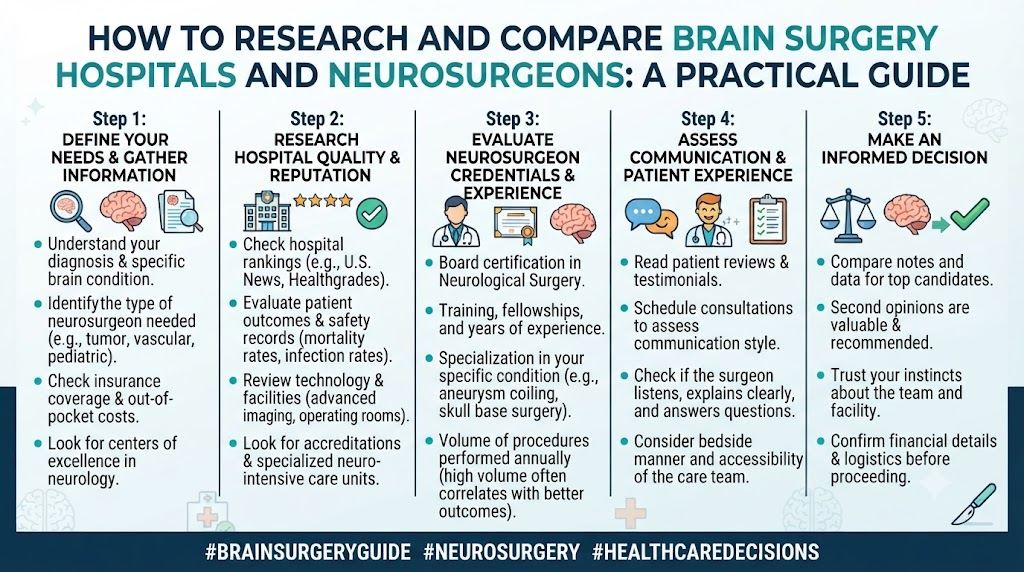
Selecting a medical center for neurological care is an important step that requires careful thought. Different facilities offer different levels of technology, surgical expertise, and specialized support services. When looking at brain surgery hospitals, patients and families should consider several key factors to ensure the chosen facility matches their medical needs.
- Neurosurgical Expertise: Facilities with experienced teams often manage a wide range of complex neurological conditions regularly.
- Diagnostic Capabilities: Advanced imaging tools help doctors understand a condition clearly before planning any treatment.
- Hospital Facilities: Dedicated intensive care units and modern operating rooms support patient safety during and after procedures.
- Multidisciplinary Teams: Collaboration between neurosurgeons, neurologists, and rehabilitation specialists ensures comprehensive care.
- Location and Accessibility: Choosing a facility that is reasonably close to home can make travel easier for regular follow-up visits.
- Rehabilitation Support: Access to physical, occupational, or speech therapy helps patients recover strength and function after treatment.
How to Compare Neurosurgery Hospitals
Comparing different medical centers involves looking past general reputations and examining specific features that matter to your health. Because every medical situation is unique, a hospital that excels in one area might focus differently on another.
When reviewing neurosurgery hospitals, look closely at the specific services they offer for your particular diagnosis. Check whether the medical team has dedicated experience with your condition and whether the facility provides comprehensive support from initial diagnosis through post-treatment recovery. Always review the availability of diagnostic tools, surgical support units, and follow-up care programs to get a complete picture of what the hospital provides.
How to Find Experienced Brain Surgeons and Neurosurgeons
The skill, background, and communication style of your medical specialist play a major role in your care experience. Finding the right professional involves looking at their professional qualifications and how they approach patient care.
When researching brain surgeons and neurosurgeons, consider their specific areas of focus and how often they perform the procedure you or your family member needs. It is also valuable to look at their hospital affiliations and how clearly they communicate treatment plans. A supportive specialist will take the time to explain your diagnosis, answer your questions, and discuss what to expect during recovery.
Finding Brain Tumor Surgery Hospitals
Researching care for a brain tumor requires looking at facilities equipped to handle complex diagnostic evaluations and specialized treatments. Not all medical centers offer the same level of specialized tumor care.
When exploring brain tumor surgery hospitals, families should look for centers that offer advanced neuro-imaging, dedicated surgical suites, and coordinated post-treatment support. It is important to understand that treatment depends heavily on the specific type, size, and location of the tumor, as well as the patient’s overall health. A proper evaluation by a qualified specialist is always the first step in determining the most appropriate path forward.
Understanding Brain Tumor Treatment Options
Treatment plans for brain tumors vary greatly from person to person. A medical team will look closely at diagnostic scans and overall health before recommending a specific approach.
General treatment options for brain tumors may include:
- Observation: Regular monitoring with imaging scans in selected, stable cases.
- Surgery: Procedures aimed at safely removing as much of the tumor as possible.
- Radiation Therapy: Using targeted energy beams to shrink or control tumor cells.
- Drug-Based Treatments: Medications designed to target specific tumor characteristics.
- Rehabilitation and Support: Therapies to help maintain quality of life and manage symptoms.
Decisions regarding brain tumor treatment should always be made in close consultation with a specialized medical team based on individual test results.
What to Know About Brain Aneurysm Surgery
A brain aneurysm is a bulge or ballooning in a blood vessel in the brain. When specialists evaluate an aneurysm, they carefully review its size, shape, and location to decide the safest course of action.
Treatment approaches for brain aneurysms can range from careful monitoring with imaging scans to surgical interventions such as surgical clipping or minimally invasive endovascular procedures. Not every aneurysm requires immediate surgery, and decisions depend entirely on individual risk factors assessed by a specialist. If you or a loved one experience sudden, severe neurological symptoms, seek emergency medical attention immediately. Understanding brain aneurysm surgery options helps families ask informed questions during specialist consultations.
Understanding Epilepsy Surgery
For some individuals, seizures remain difficult to control despite trying various medication options. In these cases, evaluation for epilepsy surgery may be considered by a specialized neurological team.
The evaluation process typically involves detailed brain imaging, prolonged seizure monitoring, and neurological testing to locate the specific area of the brain where seizures originate. Surgery is not appropriate for every epilepsy patient, and the decision depends on whether the seizure focus can be safely identified and treated. Following any evaluation, specialists discuss potential surgical and non-surgical management plans with the patient and their family.
Minimally Invasive Brain Surgery
Advancements in medical technology have introduced specialized techniques that allow neurosurgeons to operate through smaller openings or natural pathways inside the brain.
Minimally invasive brain surgery approaches use specialized tools, high-definition cameras, and advanced imaging guidance to reach targeted areas with minimal disruption to surrounding healthy tissue. While these techniques can offer benefits such as smaller incisions or shorter recovery times for selected patients, they are not suitable for every condition or individual. A thorough evaluation by a neurosurgeon determines which surgical approach is safest and most effective for a specific case.
When a Neurosurgery Second Opinion May Help
Making a decision about brain or spine surgery is a major step, and it is completely normal to seek additional guidance. Getting a neurosurgery second opinion allows another qualified specialist to review your medical records, diagnostic imaging, and treatment recommendations.
A second opinion can help confirm your diagnosis, explore alternative treatment approaches, or provide added reassurance about a proposed surgical plan. Seeking another perspective does not mean your first doctor was incorrect; rather, it is a helpful way for patients and families to gather comprehensive information before moving forward with care.
How Location, Specialty, and Treatment Needs Affect Your Choice
Every patient’s medical journey is unique, meaning there is no single hospital that is the universal right choice for everyone. Your choice of facility will naturally be influenced by your specific neurological condition, the type of treatment required, and your personal preferences regarding travel and location. For example, someone researching care for a brain tumor may prioritize a center with advanced multidisciplinary oncology support, while someone exploring options for an aneurysm may focus heavily on specialized endovascular facilities. Balancing your medical requirements with practical considerations helps you find a hospital environment where you feel supported.
What Questions Should You Ask Before Choosing a Neurosurgical Hospital?
Having a list of practical questions ready during consultations can help you and your family gather clear, useful information. Consider asking the following questions when meeting with hospital representatives or specialists:
- How frequently does the neurosurgeon perform this specific procedure?
- Does the hospital have dedicated intensive care units and specialized nursing staff for neurological patients?
- What diagnostic facilities are available on-site?
- What treatment options are available for this specific condition?
- What can we expect during the recovery and rehabilitation process?
- How does the medical team coordinate follow-up care after discharge?
- Does the hospital regularly manage cases similar to ours?
- What support services are available for patients and visiting family members?
- How will the medical team communicate updates during and after treatment?
- What preparations should we make prior to admission?
How BrainSurgeryHospitals Helps People Research Their Options
Navigating choices in neurosurgical care can feel complex, but having a centralized resource makes the research process simpler. BrainSurgeryHospitals
is designed to help patients and families explore hospitals and specialists related to brain surgery and neurological care.
The platform allows users to research options based on geographic location, specific medical needs, and available neurosurgical services. Whether you are looking for information on brain tumor surgery hospitals, comparing neurosurgeons, or exploring care options for aneurysms and epilepsy, the website helps organize essential information in one place. By providing a clear overview of available care pathways, BrainSurgeryHospitals empowers readers to research their options thoroughly before making important healthcare decisions with their medical providers.
Neurosurgical Care Comparison Table
| Neurosurgical Need | Things to Check |
| Brain Tumor Care | Neurosurgical expertise, diagnosis, treatment options, follow-up |
| Brain Aneurysm | Imaging, specialist expertise, treatment approaches, monitoring |
| Epilepsy Surgery | Specialist evaluation, seizure testing, treatment options, follow-up |
| Minimally Invasive Surgery | Relevant expertise, available techniques, patient suitability |
| Second Opinion | Medical records, imaging, diagnosis, treatment recommendations |
Frequently Asked Questions — Primary FAQs
1. What should I look for when researching brain surgery hospitals?
When researching these hospitals, look at specialist expertise, diagnostic equipment, intensive care support, and the availability of comprehensive rehabilitation services.
2. How do neurosurgery hospitals differ from general hospitals?
Specialized facilities often house dedicated neuro-intensive care units, advanced brain imaging technology, and specialized surgical teams focused entirely on complex neurological conditions.
3. What factors matter most when choosing brain tumor surgery hospitals?
Key factors include the availability of advanced tumor evaluation tools, experienced neuro-oncology teams, and coordinated post-surgical rehabilitation support.
4. What qualifications should I check in brain surgeons?
Review their board certification, fellowship training in neurosurgery, experience with your specific condition, and hospital affiliation.
5. How do I choose between different neurosurgeons?
Consider their communication style, clinical experience, approach to patient education, and how comfortably you can discuss treatment plans with them.
6. What does brain tumor treatment typically involve?
Treatment depends on tumor type and location, and may involve regular monitoring, surgical removal, radiation therapy, or medication-based care.
7. Is surgery always required for a brain aneurysm?
Not every aneurysm requires surgery; specialists carefully evaluate size, location, and rupture risk to decide between monitoring or treatment.
8. When is epilepsy surgery considered by doctors?
It may be evaluated when medication fails to control seizures and diagnostic testing successfully pinpoints the precise area of the brain causing the seizures.
9. What are the benefits of minimally invasive brain surgery?
These techniques often allow access through smaller openings, potentially reducing recovery time for patients who are good candidates for the approach.
10. Why might someone seek a neurosurgery second opinion?
A second opinion helps confirm a diagnosis, review imaging, and explore alternative treatment perspectives before making a final care decision.
11. How can I compare neurosurgical hospitals effectively?
Compare facilities based on your specific treatment needs, doctor expertise, available technology, geographic location, and follow-up support services.
12. How does BrainSurgeryHospitals assist patients and families?
The platform helps users research neurosurgical hospitals, explore specialists by location and condition, and understand available care options before consulting a doctor.
Frequently Asked Questions — Related FAQs
13. What steps can I take before visiting a neurosurgical hospital?
Gather all previous medical records, imaging scans, a list of current medications, and a written list of questions for your consultation.
14. How does hospital location affect my neurosurgical care choice?
Proximity to home can make travel easier for initial consultations, major procedures, and frequent post-treatment follow-up visits.
15. What diagnostic facilities are essential in brain surgery hospitals?
Advanced imaging tools like high-resolution MRI and CT scans are crucial for accurate pre-surgical planning and diagnosis.
16. How are brain tumor care plans personalized?
Specialists tailor plans based on the tumor’s exact characteristics, genetic markers, location, and the patient’s general health status.
17. What should I expect during a brain aneurysm evaluation?
Doctors typically use specialized blood vessel imaging to examine the aneurysm and determine whether monitoring or intervention is safer.
18. What tests are used during an epilepsy surgery evaluation?
Evaluations often include prolonged video-EEG monitoring, detailed brain mapping, and specialized neuro-imaging studies.
19. Are all patients eligible for minimally invasive brain procedures?
No, eligibility depends heavily on the specific location and nature of the condition, as well as the surgeon’s clinical evaluation.
20. What kind of follow-up care is needed after neurosurgery?
Follow-up care generally involves periodic check-ups with your neurosurgeon, repeat imaging scans, and ongoing rehabilitation therapy to support recovery.
Final Thoughts
Navigating neurological health needs requires patience, careful research, and reliable guidance from medical professionals. Comparing hospitals, evaluating specialist experience, and understanding your treatment options helps ensure you receive care tailored to your situation. Because every neurological condition is unique, taking the time to explore facilities and seek expert opinions can make a meaningful difference. Platforms like BrainSurgeryHospitals can assist you in researching hospitals and neurosurgeons to support your decision-making process. Always consult a qualified neurosurgeon or healthcare provider to discuss your personal health needs and determine the most appropriate care path.