
Introduction
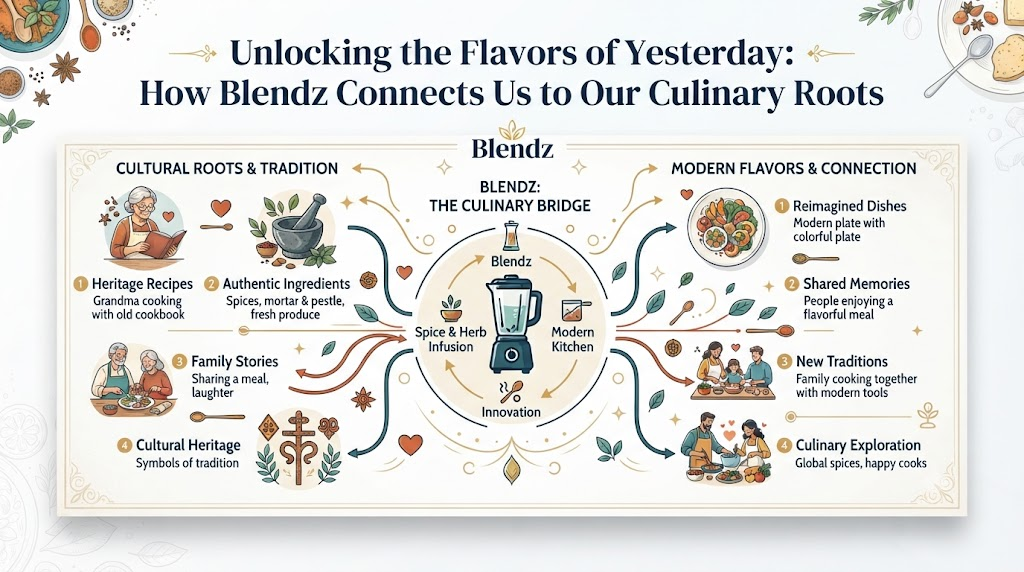
Food has a wonderful way of bringing people together around a crowded kitchen table, often sparking memories of family gatherings from years gone by. Many of our favorite meals are traditional recipes passed down quietly from one generation to the next, carrying stories, local history, and deep cultural meaning. Yet, as daily life speeds up and kitchens change, some cherished dishes and lost recipes slowly fade away from our memory. Discovering these older ways of cooking helps us connect with our roots and appreciate the rich history behind what we eat. Through platforms like Blendz, food lovers can explore wonderful food stories, traditional cooking methods, and diverse culinary traditions from around the globe. This guide will help you understand why preserving our shared food heritage matters so much and how you can keep these wonderful kitchen traditions alive in your own home.
Why Traditional Recipes Matter
When we cook dishes that our parents or grandparents made, we are doing much more than simply preparing a meal. Traditional recipes carry the identity, memories, and history of entire communities. They teach us about local geography, seasonal changes, and how people used the ingredients available around them long before supermarkets existed. These dishes connect us to celebrations, comfort us during difficult times, and give younger generations a tangible link to their family history.
Why Some Recipes Become Lost or Forgotten
Recipes can disappear from our kitchens for many simple reasons. In the past, cooking knowledge was mostly shared by word of mouth rather than written down in books. When families moved to new cities, or when daily lifestyles changed, these informal cooking lessons often stopped. Furthermore, as ingredients became easier or harder to find, people adapted their cooking, leaving older forgotten recipes behind in dusty notebooks or fading memories.
The Special Place of Grandmother Recipes
Many of us remember standing in the kitchen watching an older family member cook without ever using measuring cups or written notes. Grandmother recipes hold a unique place in our hearts because they rely on feeling, experience, and love rather than exact numbers. These dishes often taste special not just because of the ingredients, but because of the care and personal touch passed down through hands-on practice.
Traditional Food Recipes and Regional Identity
Every region has its own unique flavor profile shaped by local weather, soil, and history. Traditional food recipes reflect these local differences beautifully, showing how the same basic ingredient can be cooked in completely different ways across neighboring towns or countries. Recognizing these regional variations helps us appreciate that traditional cooking is diverse, flexible, and deeply connected to local life.
Exploring Ancient Recipes and Old Cooking Traditions
When people talk about ancient recipes, they usually mean historical dishes and old cooking techniques that have survived through written records, pottery markings, or oral traditions. While we can recreate the flavors of earlier times using historical clues, it is important to remember that these dishes are modern inspirations rather than exact historical replicas. Exploring these old methods gives us a fascinating glimpse into how our ancestors prepared their daily meals.
Food Heritage and Why It Should Be Preserved
Our food heritage includes everything from everyday family meals and cooking tools to seasonal festival dishes and local food stories. Documenting and preserving this heritage ensures that valuable culinary knowledge is not lost over time. It gives future generations a chance to understand where their food comes from and why certain cooking traditions continue to matter today.
The Role of Rare Ingredients in Traditional Cooking
Many older dishes rely on rare ingredients that may be seasonal, local, or difficult to find in regular grocery stores today. These special ingredients often give traditional dishes their distinct taste and character. While modern cooks sometimes need to use simple substitutes, understanding the original components helps keep the true spirit of the recipe alive.
Festival Food Recipes and Cultural Celebrations
Food is the heart of almost every community celebration around the world. Festival food recipes are often prepared only during specific times of the year, marking seasonal changes, religious holidays, or community milestones. Preparing these special dishes together helps families pass down cultural values and joyful memories to younger members.
Traditional Recipes From Around the World
Exploring traditional recipes from around the world opens our eyes to the incredible variety of human culture. From spiced grains in North Africa to comforting noodle broths in East Asia, every culture has its own special way of turning simple local ingredients into nourishing meals. This global variety shows us that while ingredients change, the joy of sharing food remains the same everywhere.
How Traditional Recipes Can Be Preserved Today
Keeping family and community recipes alive does not require complicated tools. You can easily preserve your favorite dishes by writing them down in a dedicated notebook, recording family stories, or taking pictures of the cooking process. Sharing these recipes with younger family members and creating digital collections ensures that your favorite kitchen memories stay safe for years to come.
How Blendz Helps People Explore Food and Recipe Stories
Platforms like Blendz provide a welcoming space for anyone curious about food, cooking methods, and cultural traditions. The platform connects readers with engaging food stories, recipe inspiration, and culinary heritage from different regions. It serves as a helpful guide for those who want to learn more about where their food comes from and share their own cooking discoveries with others.
What Makes a Traditional Recipe Meaningful?
A traditional recipe is much more than a list of instructions. Its true value comes from the memories it brings back, the cultural stories attached to it, and the feeling of comfort it provides. Whether it is a simple weekday soup or an elaborate holiday feast, these dishes carry the warmth of human connection and shared history.
Traditional Recipes vs Modern Recipes
| Aspect | Traditional Recipes | Modern Recipes |
| Ingredients | Often local or regional | May use widely available ingredients |
| Cooking Methods | Traditional techniques | May use modern equipment |
| Measurements | Sometimes flexible | Usually more precise |
| Cultural Connection | Often closely linked to family or community | Can be more experimental |
| Variations | Often shaped by region and family | Often shaped by personal preference |
How to Research an Old or Forgotten Recipe
Recovering a lost family recipe is like solving a gentle puzzle. Start by talking to older family members and asking about their favorite childhood meals. Look through old photo albums, recipe boxes, and kitchen drawers for handwritten notes. Once you find a starting point, test the recipe carefully in your own kitchen while noting down any family variations or special stories connected to the dish.
Food Heritage Comparison Chart
[Elements of Food Heritage]
├── Daily Family Recipes (Passed down through generations)
├── Seasonal Ingredients (Sourced from local regions)
├── Traditional Cooking Methods (Hand-built clay ovens, open fires)
├── Festival Foods (Prepared for annual celebrations)
└── Community Food Stories (Shared oral histories and memories)
Frequently Asked Questions — Primary FAQs
1. What are traditional recipes?
Traditional recipes are dishes passed down through families and communities over many years, reflecting local culture, history, and seasonal ingredients.
2. Why do recipes become lost over time?
Recipes often become lost when cooking knowledge is shared only by word of mouth, families move away, or modern lifestyles change our daily cooking habits.
3. What makes grandmother recipes so special?
Grandmother recipes carry deep emotional value, personal memories, and unique family cooking techniques that are often learned by watching rather than measuring.
4. How do traditional food recipes reflect culture?
They use local ingredients, regional cooking methods, and seasonal customs that show how different communities lived and celebrated together.
5. Are ancient recipes the same as modern food?
No, ancient recipes belong to earlier historical periods and often require modern recipe testing to recreate their flavors using available ingredients.
6. What is food heritage?
Food heritage includes the recipes, ingredients, cooking tools, and stories that define the culinary traditions of a family, region, or culture.
7. Why are rare ingredients important in old dishes?
Rare or local ingredients give traditional dishes their authentic flavor and connect the recipe directly to the geography where it was first created.
8. What role do festival food recipes play in communities?
Festival foods bring people together during special seasonal or cultural celebrations, helping to pass down important traditions to younger generations.
9. Can I find traditional recipes from around the world online?
Yes, platforms like Blendz offer wonderful spaces to discover food stories and traditional recipes from many different cultures and regions.
10. How can I start preserving my family recipes?
You can start by writing down ingredients, recording family cooking sessions, and collecting old recipe cards before they fade away.
11. Why should we care about lost recipes?
Recovering lost recipes helps us reconnect with our cultural history and keeps valuable cooking knowledge alive for the future.
12. How does Blendz help food lovers?
Blendz connects curious readers with engaging food stories, recipe inspiration, and traditional culinary heritage from around the world.
Frequently Asked Questions — Related FAQs
13. How were family recipes usually passed down in the past?
They were mostly passed down through hands-on cooking practice, family conversations, and watching elders prepare daily meals in the kitchen.
14. What should I do if my family recipe has no exact measurements?
You can cook the dish a few times, write down the approximate amounts you use, and adjust the measurements until it tastes just right.
15. How do regional differences change a traditional dish?
Different towns and families often use local substitutes or unique spices, which gives the same basic dish many wonderful regional variations.
16. Why do festival foods change over time?
As ingredients become more widely available or families move to new places, festival dishes often adapt while keeping their core festive meaning.
17. Is it okay to substitute ingredients in a traditional recipe?
Yes, modern home cooks often substitute hard-to-find items with accessible ingredients while still honoring the main flavor of the dish.
18. How can travelers discover authentic local food traditions?
Travelers can talk to local residents, visit community markets, and try neighborhood eateries that specialize in regional home-style cooking.
19. Why is oral history important for food preservation?
Oral history captures personal food memories, family stories, and cooking tips that official recipe books often leave out.
20. Can modern kitchens recreate old cooking styles easily?
While modern stoves and ovens make cooking faster, home cooks can still use traditional slow-cooking methods to capture authentic old-world flavors.
Final Thoughts
Preserving traditional and forgotten recipes is a wonderful way to honor our past while enjoying delicious meals in the present. Every time we recreate a cherished family dish or learn about a new culinary custom, we help keep important cultural stories alive. These flavors connect us across generations, reminding us of the warmth found in home-cooked meals. Platforms like Blendz make it easy and inspiring to explore these rich food traditions and discover new culinary stories. Take some time today to talk to your family, write down an old recipe, and share the joy of heritage cooking with the people you love.