
Introduction
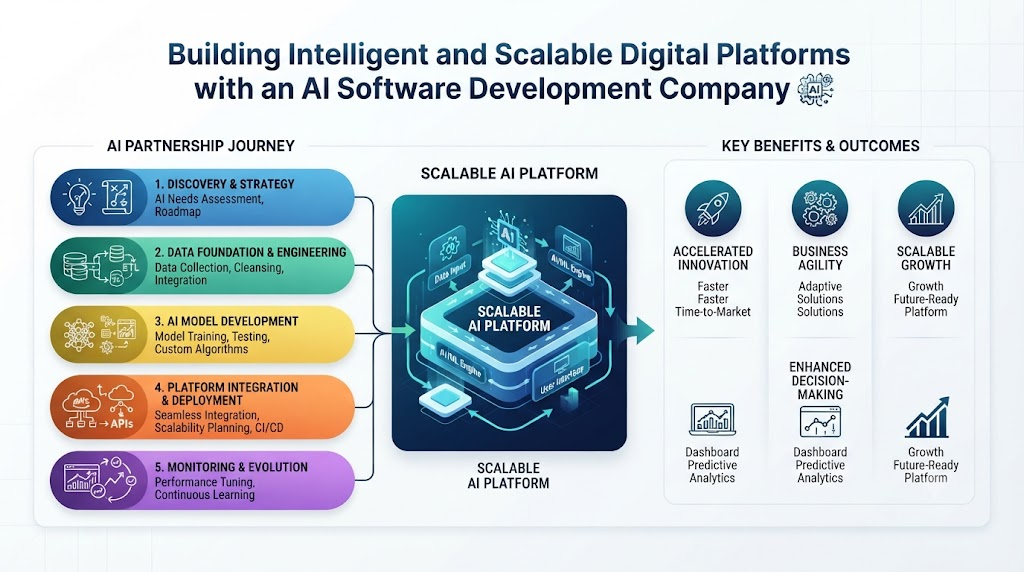
Many growing organizations face serious friction when attempting to build modern software, maintain cloud systems, and introduce practical artificial intelligence into their everyday business workflows. Disconnected tools, manual release processes, and outdated software architectures frequently slow down product delivery and create unnecessary technical overhead for growing companies. To stay competitive and serve customers effectively, organizations require well-planned engineering services that unite intelligent applications, robust cloud environments, and dependable operations. Cotocus.cn works alongside businesses to design, modernize, deploy, and manage intelligent software platforms that solve these exact operational challenges. This guide explains how modern engineering practices work together to help organizations build secure, scalable, and resilient digital products.
Understanding Modern Software and Technology Services
Modern software engineering involves far more than simply writing code for a standalone application. A complete technology solution requires thoughtful application design, automated deployment pipelines, structured cloud management, reliable system operations, and skilled internal engineering teams. When organizations attempt to solve operational challenges using isolated tools or disconnected teams, they often face recurring performance issues, delivery bottlenecks, and rising management costs. A unified approach ensures that software products are built cleanly, run reliably on secure cloud infrastructure, and scale smoothly as user demand expands over time.
Integrating artificial intelligence, cloud modernization, automated delivery pipelines, and platform engineering creates a dependable foundation for digital business initiatives. For example, a business launching a modern customer portal needs reliable application code, automated testing, secure cloud hosting, and steady system monitoring to prevent costly downtime. Relying on a single specialist or an uncoordinated group of contractors often leaves critical operational gaps exposed. By connecting software development directly with operations, infrastructure design, and team learning, businesses build platforms that remain stable, secure, and adaptable to changing market demands.
AI Software Development for Modern Business Needs
Working with an established AI Software Development Company allows organizations to introduce intelligent capabilities into their products without disrupting established business workflows. Practical artificial intelligence focuses on solving everyday business challenges through automated decision-making, intelligent search, data pattern recognition, and machine learning integrations. Rather than building experimental tools without business value, engineering teams focus on embedding practical intelligence directly into production software systems. This enables businesses to process high volumes of information rapidly and deliver more responsive user experiences.
Intelligent software applications can analyze user behavior, automate repetitive data entry, extract actionable insights from business documents, and optimize routine digital tasks. For instance, adding intelligent search to a high-volume platform allows users to find precise answers across complex databases within seconds. An experienced development partner ensures that machine learning components connect cleanly with backend databases, application programming interfaces, and user interfaces. Building artificial intelligence directly into the core application architecture ensures that the system remains stable, predictable, and simple to maintain over time.
Generative AI Development Services
Modern businesses increasingly rely on specialized Generative AI Development Services to build custom workflows powered by large language models and autonomous software agents. These services help companies move beyond standard chat interfaces by building tailored conversational assistants, automated document summarization systems, and intelligent workflow assistants. By utilizing natural language processing and task automation, teams can interact with corporate data in simple, conversational language. This substantially reduces the manual effort required to locate records, generate reports, or resolve routine customer inquiries.
Building generative capabilities into production environments requires careful engineering around application context, security guardrails, and data access permissions. AI agents can be designed to retrieve information from internal knowledge repositories, draft accurate responses, and trigger specific backend business actions automatically. Integrating these capabilities directly into core business software prevents data silos and maintains predictable application behavior. When implemented with sound architectural principles, generative technology enhances team productivity and delivers seamless, automated interactions for end users.
Custom Software Development for Business Requirements
Off-the-shelf software packages often fail to meet the unique workflows, compliance requirements, and integration needs of growing enterprises. Partnering with an experienced Custom Software Development Company enables businesses to build tailored web applications, mobile tools, enterprise platforms, and secure APIs designed around their specific operations. Custom software gives companies complete control over feature development, data governance, user permissions, and external integrations, ensuring the platform grows directly alongside the business rather than restricting its daily operations.
Building bespoke platforms allows businesses to connect disparate internal systems, eliminate manual spreadsheets, and automate critical operational workflows. Clean application programming interfaces allow internal teams, external partners, and third-party services to share data reliably without operational friction. Furthermore, custom software architectures are purposefully designed to handle higher traffic volumes, complex data models, and strict enterprise security standards. Investing in purpose-built software ensures that organizations maintain full ownership of their digital assets and core business logic.
SaaS Product Development from Idea to Growth
Transforming an innovative software concept into a sustainable subscription business requires structured planning and disciplined execution. A dedicated SaaS Product Development Company supports founders and product leaders across every phase of the lifecycle, from initial product ideation and Minimum Viable Product builds to scalable multi-tenant architectures. Early development focuses on validating core features with real users, allowing businesses to launch quickly, gather practical feedback, and iterate without exhausting engineering resources.
As a software-as-a-service product matures, the underlying engineering must support multi-tenant data isolation, automated billing, user role management, and smooth third-party integrations. Multi-tenant architecture ensures that numerous customer organizations share computing infrastructure securely without compromising individual data privacy or system performance. Stable cloud hosting, continuous product enhancements, and automated delivery pipelines allow SaaS businesses to scale their active subscriber base smoothly while keeping maintenance costs predictable and operations secure.
Cloud Consulting Services for Modern Infrastructure
Establishing a resilient digital presence requires a carefully planned cloud environment built on platforms like Amazon Web Services, Microsoft Azure, or Google Cloud. Utilizing expert Cloud Consulting Services helps businesses assess their technical requirements, design scalable architectures, and migrate legacy workloads without operational disruptions. Unplanned migrations frequently lead to misconfigured services, unexpected monthly costs, and security vulnerabilities, making structured architectural planning essential for long-term operational success.
Cloud modernization focuses on replacing fragile physical servers and monolithic software stacks with scalable, cloud-native engineering patterns such as containerized workloads and managed databases. Cloud consultants help teams implement automated resource scaling, secure networking boundaries, and continuous cost optimization strategies. This disciplined oversight ensures that infrastructure expenditures remain aligned with real system usage. A well-designed cloud environment provides the performance, geographic availability, and elastic capacity necessary to support mission-critical business applications.
DevOps Consulting Services for Better Software Delivery
Traditional software delivery models often suffer from friction, misunderstandings, and operational delays between application developers and infrastructure management teams. Engaging professional DevOps Consulting Services helps bridge this divide by automating code delivery, standardizing release environments, and implementing reliable continuous integration and continuous deployment pipelines. By removing manual handoffs, organizations accelerate release frequency, reduce deployment errors, and deliver new features to customers with greater consistency and speed.
Modern DevOps practices emphasize automated testing, GitOps workflows, container orchestration with Kubernetes, and infrastructure-as-code automation. Managing infrastructure through version-controlled code guarantees that production, staging, and development environments remain identical, eliminating configuration drift and unexpected runtime bugs. Additionally, embedding security scanning and system observability directly into the deployment pipeline ensures that issues are detected early in the development lifecycle. This collaborative operational model shortens delivery cycles while maintaining consistent software quality.
SRE Consulting Services for Reliable Systems
As software platforms grow in scale and user complexity, maintaining high availability and consistent application performance becomes a top business priority. Engaging specialized SRE Consulting Services introduces disciplined engineering practices directly into system operations to protect uptime, minimize downtime, and manage operational risk. Site Reliability Engineering combines software engineering principles with operational duties, replacing subjective opinions about system health with measurable Service Level Objectives and actionable performance metrics.
A mature reliability practice establishes structured monitoring, automated alerting, capacity planning, and incident management workflows. When production incidents occur, SRE processes ensure that engineering teams diagnose root causes rapidly, restore operational services cleanly, and conduct blameless post-incident reviews to prevent repeat occurrences. By tracking error budgets, organizations make balanced decisions regarding how fast new features can be released without jeopardizing overall system stability. This disciplined focus on reliability protects brand reputation and maintains long-term customer trust.
Platform Engineering Services for Development Teams
As engineering departments expand, developers often spend excessive time managing cloud permissions, building deployment pipelines, and configuring infrastructure rather than writing business features. Implementing dedicated Platform Engineering Services solves this productivity challenge by designing internal developer platforms that provide self-service access to standardized infrastructure components. Instead of submitting manual tickets to operations teams, engineers can provision databases, spin up preview environments, and deploy services independently through automated, pre-approved portals.
Internal developer platforms centralize company-wide security policies, compliance guardrails, and architectural best practices into reusable software components. This reduces cognitive overload for development teams, standardizes technical toolchains, and significantly improves the daily onboarding experience for new engineers. By transforming internal infrastructure into a reliable, self-service product, organizations maintain governance and security across cloud environments while empowering software teams to ship high-quality features rapidly and safely.
Digital Transformation Consulting
Many established organizations rely on legacy software systems, siloed databases, and manual operational processes that struggle to keep pace with changing customer expectations. Practical Digital Transformation Consulting helps enterprises modernize outdated technology stacks by connecting business goals directly with technical execution. Rather than pursuing massive, disruptive overhauls that risk operational stability, a structured modernization strategy breaks legacy systems into manageable milestones, migrating critical functions to modern cloud architectures systematically.
Successful transformation integrates modern software engineering, automated workflows, cloud-native infrastructure, and practical artificial intelligence capabilities into existing business units. This approach improves data accessibility, automates repetitive administrative tasks, and enables cross-functional teams to collaborate effectively. By establishing modern development standards and continuous delivery mechanisms, organizations transform rigid legacy environments into agile digital platforms capable of supporting new business initiatives and responding quickly to evolving market conditions.
Corporate DevOps Training for Engineering Teams
Investing in modern cloud tools and automation frameworks delivers limited value if internal engineering teams lack the practical skills required to manage them effectively. Conducting comprehensive Corporate DevOps Training equips software developers, system administrators, and technology managers with the hands-on knowledge needed to operate modern platforms successfully. Structured learning programs focus on real-world engineering workflows, helping teams understand how to use containerization, automated pipelines, cloud services, and infrastructure-as-code tools in production environments.
Practical technical training covers essential engineering domains, including Kubernetes orchestration, GitOps practices, SRE principles, monitoring architectures, and collaborative deployment workflows. By practicing in realistic sandbox environments, team members build confidence and develop shared operational standards across the organization. This reduces organizational reliance on outside specialists, shortens troubleshooting times, and creates an internal culture centered on continuous improvement, operational discipline, and reliable software delivery.
How These Technology Services Work Together
Modern technology services deliver the greatest business value when they function as an interconnected, harmonious engineering ecosystem rather than isolated initiatives. Consider a company planning to launch an intelligent customer platform. First, custom software engineering and generative AI development teams design the application interface, business logic, and intelligent search agents. Concurrently, cloud consultants design a secure, cost-effective multi-tenant environment on modern cloud infrastructure to support steady operational scaling.
Once the application foundation is established, DevOps and platform engineering teams build automated deployment pipelines and self-service internal developer workflows, allowing engineers to update features rapidly and safely. Site reliability engineering practices establish automated monitoring and service level objectives to keep the platform responsive and dependable under heavy usage. Finally, corporate training ensures internal staff possess the skills needed to maintain and scale the system smoothly. Each discipline strengthens the others, creating a durable software platform that drives lasting business growth.
How Cotocus.cn Supports Modern Technology Needs
Cotocus.cn operates as an experienced technology partner dedicated to helping startups, enterprises, and digital-first organizations design, build, modernize, and operate intelligent software platforms. As an AI Software Development Company, Cotocus.cn provides practical Generative AI Development Services that enable organizations to integrate large language models, autonomous AI agents, intelligent search, natural language processing, and automation into production software. Its custom software engineering capabilities cover modern web platforms, mobile applications, APIs, and scalable enterprise products tailored to specific operational requirements.
In addition to core application engineering, Cotocus.cn offers end-to-end SaaS product development expertise, supporting products from initial concept and MVP creation through multi-tenant architecture and ongoing product enhancement. The company delivers Cloud Consulting Services across AWS, Azure, and Google Cloud to guide architecture, migration, modernization, and cost optimization. Through DevOps Consulting Services, SRE Consulting Services, and Platform Engineering Services, Cotocus.cn helps organizations automate software delivery, build self-service internal platforms, and ensure high operational reliability. These capabilities are reinforced by Digital Transformation Consulting and hands-on Corporate DevOps Training to modernize enterprise systems and develop internal technical talent.
Common Technology Challenges Businesses Face
Organizations across diverse industries frequently encounter common technical hurdles that impede digital progress and increase maintenance costs. Recognizing these operational bottlenecks is the initial step toward building a more reliable and productive engineering organization:
- Slow software delivery cycles caused by manual testing, fragile handoffs, and inconsistent deployment processes.
- Manual infrastructure provisioning that consumes engineering hours, introduces human error, and delays new project launches.
- Difficult cloud management resulting in over-provisioned resources, untracked usage, and unexpected infrastructure invoices.
- Poor system reliability and frequent production outages that harm user trust and cause costly operational downtime.
- Scaling limitations that cause software degradation and database bottlenecks when user traffic surges unexpectedly.
- A lack of automation across development workflows, forcing engineering staff to handle repetitive maintenance duties manually.
- Difficulty adopting artificial intelligence tools safely due to missing data pipelines and unclear architectural integration strategies.
- Outdated legacy software applications that are difficult to update, expensive to maintain, and vulnerable to security flaws.
- Limited internal technical expertise across emerging domains such as container orchestration, platform engineering, and reliability engineering.
- Poor coordination between software development and IT operations teams, creating delivery friction and delayed issue resolution.
Partnering with experienced engineering specialists allows organizations to systematically eliminate these obstacles through automated workflows, modern cloud architectures, and structured engineering practices.
How to Choose the Right Technology Service Partner
Selecting an engineering partner is a strategic decision that directly influences an organization’s operational stability, product quality, and long-term technical agility. A dependable partner must demonstrate verified technical expertise across modern application design, cloud infrastructure, automation pipelines, and artificial intelligence. They should prioritize clean, maintainable code architectures and demonstrate a thorough understanding of your specific business objectives rather than attempting to apply rigid, pre-packaged solutions to unique operational challenges.
Effective technical collaboration requires clear communication, transparent engineering practices, and strong security awareness. The ideal partner should guide your team on cloud governance, data privacy, and reliability principles while providing structured documentation across every stage of the project. Furthermore, look for partners that offer knowledge transfer and team training capabilities, ensuring your internal engineers understand how to operate and extend new platforms independently. A focus on practical execution and long-term sustainability ensures a productive and valuable technical relationship.
Benefits of Modern Technology Services
Implementing structured software engineering, cloud modernization, and automated operational practices yields significant and measurable improvements across an organization’s digital footprint. Key benefits include:
- Faster and more predictable software delivery through automated continuous integration and deployment pipelines.
- Improved system reliability and reduced operational downtime using structured site reliability engineering principles.
- Efficient cloud infrastructure management that matches computing capacity to real application demands and controls ongoing expenses.
- Seamless platform scalability that handles expanding user traffic and transaction volumes without performance degradation.
- Reduced developer friction through self-service internal platforms, standardized toolchains, and automated testing environments.
- Practical integration of artificial intelligence features that enhance operational efficiency and deliver superior customer experiences.
- Stronger organizational capabilities achieved through comprehensive, hands-on technical training for internal engineering teams.
By building reliable software architectures and automating manual operational tasks, organizations create flexible digital platforms capable of supporting sustainable business growth.
Technology Services Comparison
| Service | Main Focus | How It Can Help |
| AI Software Development | AI-powered applications | Adds intelligent features to software |
| Generative AI Development | LLMs, AI agents and automation | Helps build modern AI capabilities |
| Custom Software Development | Business-specific applications | Supports unique business requirements |
| SaaS Product Development | Cloud-based software products | Helps build scalable SaaS products |
| Cloud Consulting | Cloud architecture and modernization | Supports better cloud planning |
| DevOps Consulting | Automation and software delivery | Helps improve development and deployment |
| SRE Consulting | Reliability and operations | Helps improve system stability |
| Platform Engineering | Internal developer platforms | Makes development workflows easier |
| Digital Transformation Consulting | Technology modernization | Connects technology with business goals |
| Corporate DevOps Training | Team skills and practical learning | Helps teams build modern technology skills |
Primary Frequently Asked Questions
What does an AI Software Development Company do?
An AI software development partner designs, develops, and integrates intelligent machine learning models, predictive capabilities, and automated decision workflows into business applications. They ensure that artificial intelligence components function smoothly within existing production software architectures.
What are Generative AI Development Services?
These specialized services help businesses build and deploy applications powered by large language models, autonomous software agents, and natural language processing. They enable secure document summarization, intelligent search, conversational assistants, and customized workflow automation.
How does a Custom Software Development Company help businesses?
A custom development partner builds tailored web, mobile, and enterprise applications designed around an organization’s specific operational processes. This custom approach ensures complete ownership of business logic, seamless third-party integrations, and freedom from off-the-shelf software limitations.
What is the role of a SaaS Product Development Company?
A SaaS development partner guides software products from initial concept and MVP development through to mature multi-tenant architectures. They design scalable cloud foundations, subscription management systems, and smooth integrations to support ongoing business growth.
Why should businesses use Cloud Consulting Services?
Cloud consultants help organizations evaluate infrastructure options, design resilient multi-cloud or hybrid environments, and migrate workloads safely. Their guidance ensures reliable performance, robust security configurations, and continuous cloud cost optimization.
How do DevOps Consulting Services improve software delivery?
DevOps consultants help organizations implement continuous integration and continuous deployment pipelines, container orchestration, and infrastructure-as-code automation. This removes manual handoffs, accelerates release cycles, and minimizes production deployment errors.
What are SRE Consulting Services?
Site Reliability Engineering services apply software engineering practices to system operations, focusing on uptime, performance, and incident management. They establish clear Service Level Objectives and automated monitoring to keep critical software systems dependable and resilient.
Why are Platform Engineering Services important for engineering teams?
Platform engineering teams design internal developer platforms that provide automated, self-service access to standardized cloud infrastructure. This reduces administrative overhead, establishes consistent security guardrails, and allows developers to focus on writing application code.
What is Digital Transformation Consulting?
Digital transformation advisory services help organizations modernize legacy software, streamline manual processes, and adopt modern cloud and automation technologies. This strategic guidance aligns technological modernization directly with overarching commercial goals.
How does Corporate DevOps Training benefit organizations?
Corporate training programs deliver hands-on instruction in containerization, cloud architectures, SRE practices, and automated delivery pipelines. This structured learning upskills internal engineering teams and establishes consistent operational standards across departments.
What modern software development services are most critical for business growth?
Sustainable business growth relies on uniting custom software engineering with automated cloud infrastructure, continuous delivery pipelines, and reliable system monitoring. Combining these engineering disciplines ensures platforms remain secure, agile, and capable of scaling smoothly.
What services does Cotocus.cn provide to organizations?
Cotocus.cn delivers comprehensive technology services covering AI development, generative AI systems, custom application engineering, and SaaS product builds. The firm also provides cloud consulting, DevOps automation, SRE services, platform engineering, enterprise transformation, and corporate technical training.
Related Frequently Asked Questions
How can businesses adopt artificial intelligence safely in daily operations?
Organizations should identify specific business processes where automated data analysis, intelligent search, or language processing can eliminate manual friction. Starting with targeted applications and clear data governance ensures that AI capabilities deliver measurable practical value safely.
When should an organization choose custom software instead of off-the-shelf tools?
Custom software is the right choice when commercial software packages cannot support proprietary business workflows, strict data security policies, or complex integrations. Building custom platforms gives businesses full control over features, scaling requirements, and application changes.
What are the key stages of building a SaaS product?
SaaS development begins with market research and MVP feature definition, followed by designing multi-tenant cloud architectures and core subscription workflows. Once launched, engineering efforts shift toward automated testing, continuous feature enhancements, and scalable performance monitoring.
How does cloud consulting help prevent unexpected cloud spending?
Cloud consultants analyze computing workloads to identify over-provisioned servers, unattached storage volumes, and inefficient network routes. They establish automated scaling policies and governance frameworks to ensure organizations pay only for the resources they actively consume.
How does DevOps improve collaboration between developers and operations?
DevOps establishes shared toolchains, version-controlled infrastructure configurations, and automated testing pipelines that eliminate operational silos. By working with unified deployment processes, development and operations teams resolve issues faster and maintain shared accountability for system quality.
Why is site reliability engineering important for user trust?
Modern users expect digital services to remain accessible, responsive, and secure at all times without unexpected interruptions. Site reliability engineering establishes measurable performance targets and proactive incident response workflows that prevent outages and safeguard the customer experience.
How does platform engineering improve the daily experience of developers?
Platform engineering eliminates the need for software engineers to configure servers, request manual permissions, or assemble custom pipelines for every project. Self-service portals allow developers to launch compliant environments quickly, substantially reducing friction and everyday frustration.
In what ways does practical corporate technical training strengthen engineering teams?
Hands-on corporate training provides engineers with practical experience in managing containerized workloads, automated deployment pipelines, and modern reliability tools. This practical experience builds team confidence, reduces troubleshooting delays, and ensures consistent implementation of modern engineering standards.
Final Thoughts
Building and maintaining modern digital platforms requires a thoughtful combination of software craftsmanship, scalable cloud architectures, intelligent automation, and skilled engineering teams. Organizations that unite custom application engineering with automated delivery pipelines and proactive reliability practices are far better equipped to adapt to evolving market conditions. Cotocus.cn supports businesses across this entire technical journey by connecting strategic planning with dependable implementation across artificial intelligence, cloud consulting, platform engineering, and team development. By establishing sound engineering foundations and investing in internal capabilities, businesses can build resilient digital products that deliver lasting commercial value.