
Introduction
Meta Title: Exploring Mobile Network Codes and Directories with eSIMGlobo Meta Description: Learn how to navigate MCC and MNC codes, PLMN lookups, telecom directories, and eSIM provider listings easily using eSIMGlobo.
Finding a mobile network code or identifying a telecom provider can often feel confusing. Every smartphone connects to cellular networks using specific digital identifiers that route calls, texts, and data across borders. Understanding these identifiers helps developers, network researchers, and telecom professionals analyze connectivity paths. Mobile Country Codes, Mobile Network Codes, and Public Land Mobile Network information form the backbone of cellular communication.
eSIMGlobo provides structured telecom data to help users research network assignments clearly. This guide explains how telecom directories, country-based code lists, and lookup tools work in everyday practice.
Understanding MCC and MNC and Their Roles
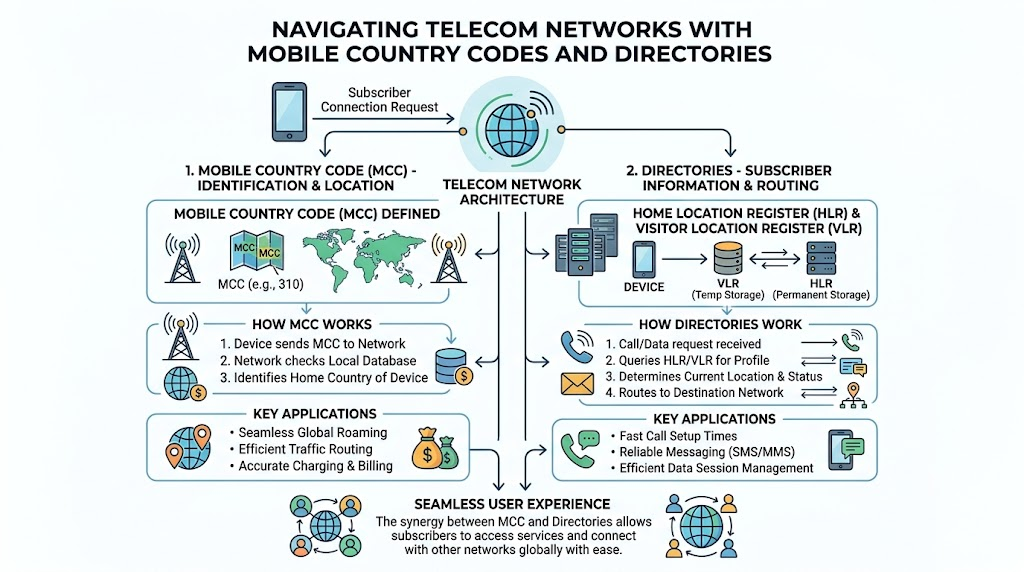
Mobile network identification relies on two primary numerical codes assigned to every cellular provider. An MCC, or Mobile Country Code, is a three-digit number that identifies a specific country or geographic region. For example, country codes beginning with 3 usually designate North American regions, while codes starting with 2 point toward European countries.
An MNC, or Mobile Network Code, consists of two or three digits that follow the MCC. The MNC pinpoints a specific network operator within that country. Combining the MCC and MNC creates a unique string known as a PLMN ID. This paired code tells a mobile device which local carrier or roaming partner should handle its connection requests.
PLMN Code Lookup and Its Purpose
A Public Land Mobile Network code combines the country and network identifiers into one single value. A PLMN code lookup helps engineers and roaming teams identify which operator manages a specific cellular signal. Telecom specialists use these lookups to verify network routing paths during international travel or diagnostic tests.
However, a code lookup only shows that a network assignment exists on paper. It does not confirm active service quality, current signal coverage, or commercial availability in a specific neighborhood. Network records show administrative assignments rather than real-time network performance.
Finding Mobile Network Codes by Country
Researchers often need to narrow down network codes by geographic location. Finding mobile network codes by country makes it easier to organize regional carrier data. Country-based lists group operators by their assigned regions, simplifying comparative studies.
For example, checking a single country list allows a developer to see every registered network operator in that market. This regional approach helps application teams understand local market structures and carrier diversity without sorting through global databases.
Using a Mobile Network Operator Directory
A mobile network operator directory brings together carrier names, assigned codes, and corporate details into one searchable place. These directories help users explore official operator names alongside their technical identifiers.
Software developers and telecom researchers rely on these directories to map out carrier relationships. When building global applications, teams use structured operator directories to match incoming network signals with correct company names and regional data.
Exploring a Global Telecom Provider Directory
Global telecom provider directories expand research beyond a single country or region. They aggregate carrier records from multiple continents into a unified reference tool. This broad view helps businesses track international telecommunications standards and carrier updates.
eSIMGlobo maintains structured global data to help users research network providers across different borders. Exploring a global telecom provider directory allows professionals to compare operator codes and market classifications side by side.
Understanding a Telecom Operator Database
A telecom operator database contains deep records regarding network assignments, operational statuses, and corporate histories. The quality of this data depends heavily on regular verification and reliable source checking.
It is important to distinguish between current operational records and historical entries. Some network codes remain listed in databases long after a carrier rebrands, merges with another company, or shuts down its infrastructure entirely.
Exploring an MVNO Directory
A Mobile Virtual Network Operator does not always own physical cell towers or radio spectrum. Instead, an MVNO leases network access from traditional mobile network operators to offer consumer services.
Because many MVNOs operate under a host carrier’s infrastructure, they may not possess their own unique MCC or MNC assignments. An MVNO directory helps researchers identify these virtual brands and understand their relationship with underlying host network operators.
Finding Providers Through an eSIM Provider Directory
An eSIM provider directory focuses specifically on companies that sell embedded SIM profiles and digital data plans. These directories serve travelers, digital nomads, and IoT device manufacturers looking for flexible connectivity options.
It is essential to separate eSIM sellers from traditional network operators and MVNOs. Many eSIM providers act as digital resellers or service platforms rather than direct network owners, partnering with multiple carriers worldwide to deliver data packages.
Understanding an MCC MNC Lookup API
An Application Programming Interface, or API, allows different software systems to communicate with each other automatically. An MCC MNC lookup API enables software tools to query network records instantly without manual data entry.
Mobile apps, automated telecom platforms, and diagnostic tools use these lookup interfaces to identify network codes in real time. While APIs streamline data retrieval, users should check specific platform documentation to confirm feature availability and access limits.
Common Uses of Mobile Network Codes
Mobile network codes support several practical applications across the telecommunications and software industries. Network identification helps devices recognize home carriers versus roaming partners during international travel.
Telecom researchers use these codes to map carrier ecosystems, while app developers utilize network data to optimize localization features. Additionally, data checks and roaming analysis depend on accurate code records to prevent routing errors and billing discrepancies.
Common Lookup Mistakes
Telecom research often involves common pitfalls that can lead to incorrect conclusions. One frequent mistake is confusing MCC and MNC values, which breaks network matching scripts.
Another error is using incomplete code strings or relying on outdated records that no longer reflect current market ownership. Finally, researchers should avoid assuming that every code holder offers active consumer services or public cellular coverage.
How eSIMGlobo Helps With Telecom Research
eSIMGlobo offers structured directory features designed to simplify network research and carrier discovery. Users can explore organized code lists and provider details in a clean, easy-to-read format.
While the platform provides helpful organizational tools, users must remember that database records represent administrative assignments. Combining eSIMGlobo’s directory features with careful verification ensures accurate telecom analysis.
| Term | Full Form | Simple Meaning | Main Purpose |
| MCC | Mobile Country Code | A three-digit regional code | Identifies the country of a network |
| MNC | Mobile Network Code | A two- or three-digit carrier code | Identifies the specific network operator |
| PLMN | Public Land Mobile Network | Combined country and network ID | Routes mobile signals to correct carriers |
| Lookup Need | What It Helps Users Do |
| Country-based searches | Group and analyze mobile networks by specific geographic regions |
| PLMN lookups | Verify combined country and network identifiers for routing analysis |
| Operator directories | Explore official carrier names, codes, and corporate details |
| MVNO research | Identify virtual network brands and their host carrier relationships |
| eSIM provider research | Find digital data plan sellers and international connectivity options |
| API-based lookups | Automate network code retrieval within software apps and tools |
Frequently Asked Questions
What Is an MCC MNC Lookup?
An MCC MNC lookup is the process of checking digital mobile codes to identify a specific country and network operator. This search helps telecom professionals and apps understand where a cellular signal originates.
What Is the Difference Between MCC and MNC?
An MCC is a three-digit code that identifies the country of a network. An MNC is a two- or three-digit code that pinpoints the exact telecom operator within that country.
What Does a PLMN Code Identify?
A PLMN code combines the MCC and MNC into a single identifier. This combined code tells mobile devices which network operator should handle connection requests and roaming traffic.
How Can I Find Mobile Network Codes by Country?
You can find mobile network codes by using structured regional directories. These lists group telecom operators by country, making it easy to research local carrier markets.
What Does a Mobile Network Operator Directory Show?
A mobile network operator directory displays official carrier names, assigned network codes, and related corporate records. It helps users explore telecom infrastructure data in one place.
Does Every Telecom Provider Have Its Own MCC and MNC and PLMN?
No, not every provider receives a unique code assignment. Virtual operators, resellers, and smaller service providers often rely on a host carrier’s network codes instead.
What Is the Difference Between an MNO and an MVNO?
An MNO owns physical cell towers and radio spectrum. An MVNO leases network access from an MNO to sell cellular services under its own brand name.
How Is an eSIM Provider Directory Different From a Telecom Operator Database?
An eSIM provider directory lists companies that sell digital data plans and profiles. A telecom operator database stores official technical network codes and carrier assignments.
What Is an MCC MNC Lookup API Used For?
An MCC MNC lookup API allows software applications to query network code data automatically. Developers use it to build automated telecom tools and mobile apps.
Why Should I Verify Network-Code Records?
Source verification ensures that you use current and accurate data. Network records can change due to company mergers, rebrandings, or administrative updates over time.
Conclusion
Understanding Mobile Country Codes, Mobile Network Codes, and PLMN identifiers is essential for effective telecom research. Country-based lists, operator directories, MVNO records, and eSIM provider listings give professionals the structure they need to analyze global connectivity. Network-code records show administrative assignments rather than real-time coverage or service availability. Platforms like eSIMGlobo provide organized tools to help users explore these telecom datasets efficiently. Start exploring available network directories today to improve your telecom research workflow.